Mechanical cable reinforcement
High strength and modulus protect optical fibres during installation, bending and service. The material is a load-bearing element, not a replacement for the optical core.
A strength member that does not conduct electricity
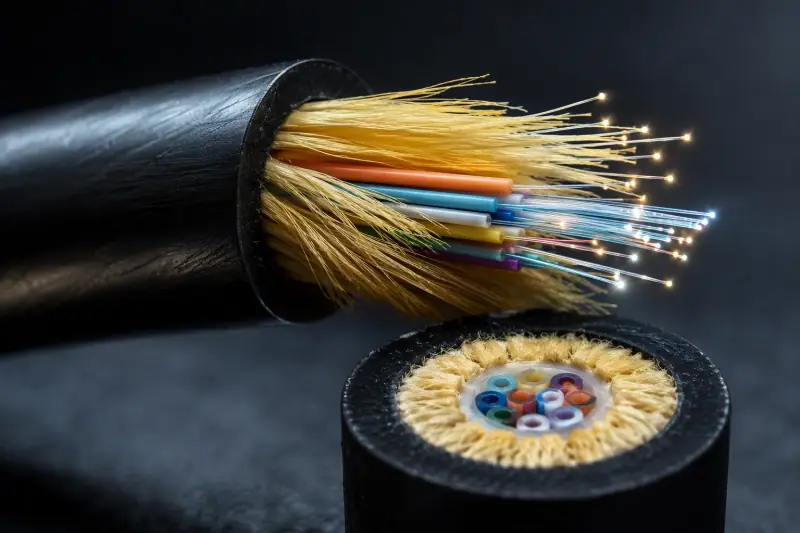
Para-aramid is used as a central strength member, braid and reinforcing component in optical cable. It carries mechanical loads while preserving the dielectric properties of the construction.
01 — ROLE IN THE PRODUCT
The material is selected by its function in the structure. The same product may require different fibres depending on the environment and load.
High strength and modulus protect optical fibres during installation, bending and service. The material is a load-bearing element, not a replacement for the optical core.
02 — APPLICATIONS
A load-bearing component inside the cable for tensile loads.
Distributed reinforcement around optical modules and cores.
Strength and armour elements for constructions with higher mechanical requirements.
High-strength cable suspension and partner finished or semi-finished solutions to specification.
03 — VISUAL GUIDE
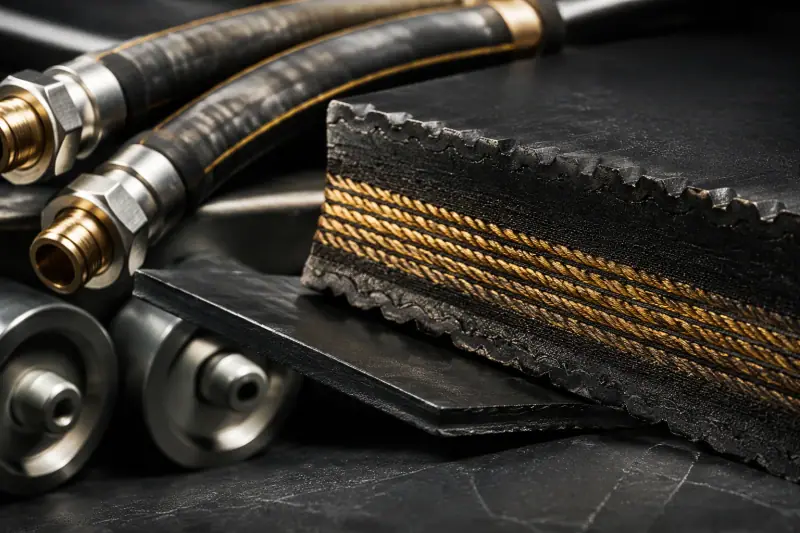
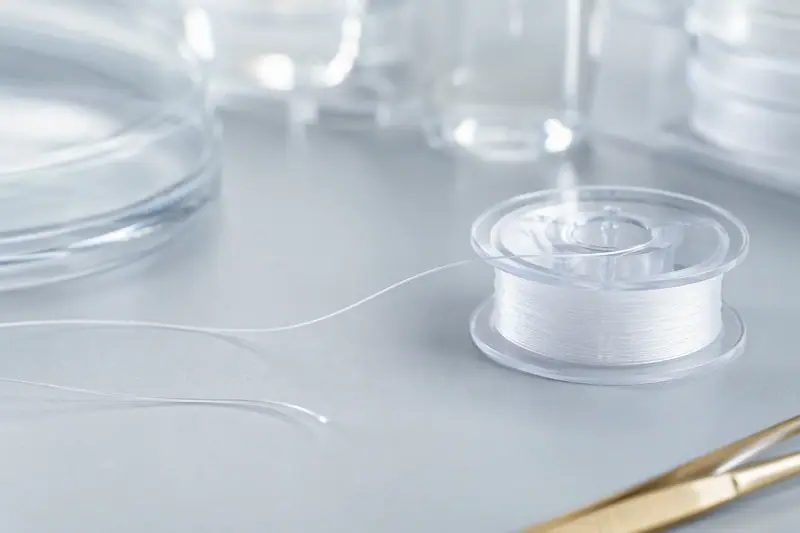
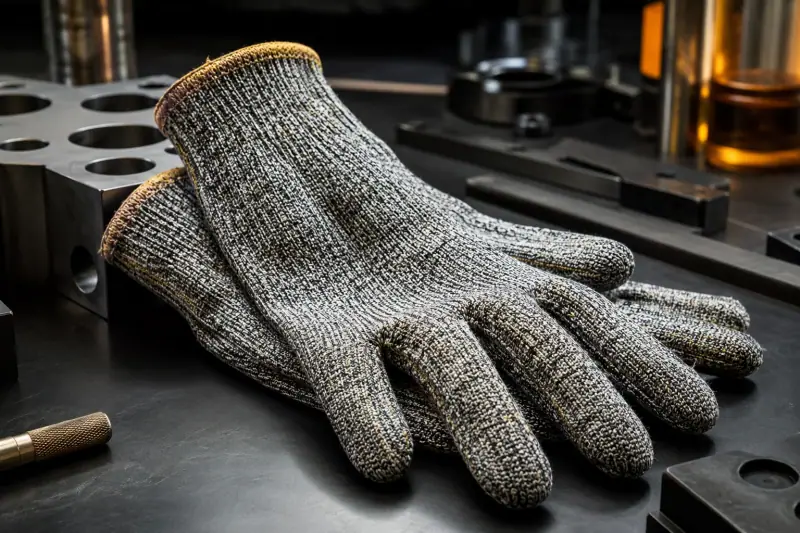
The illustrations show where the high-performance material sits and what it does. These are application diagrams, not photographs of serial products.
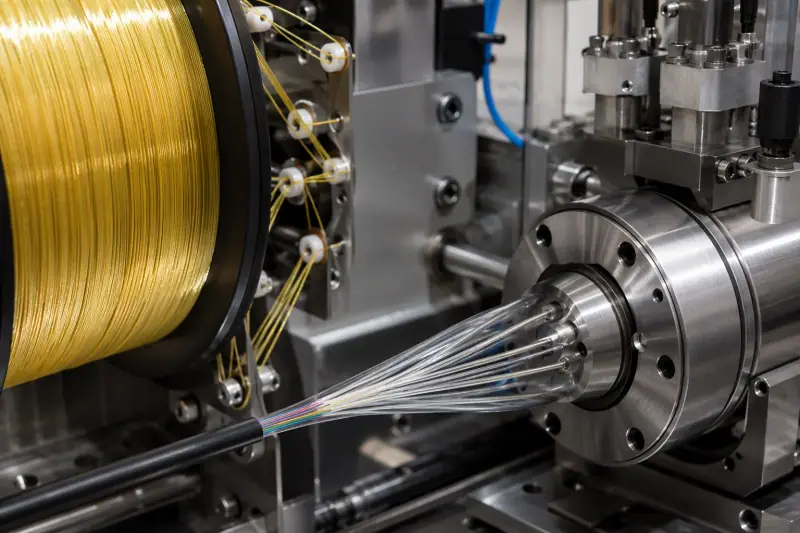 Diagram 01
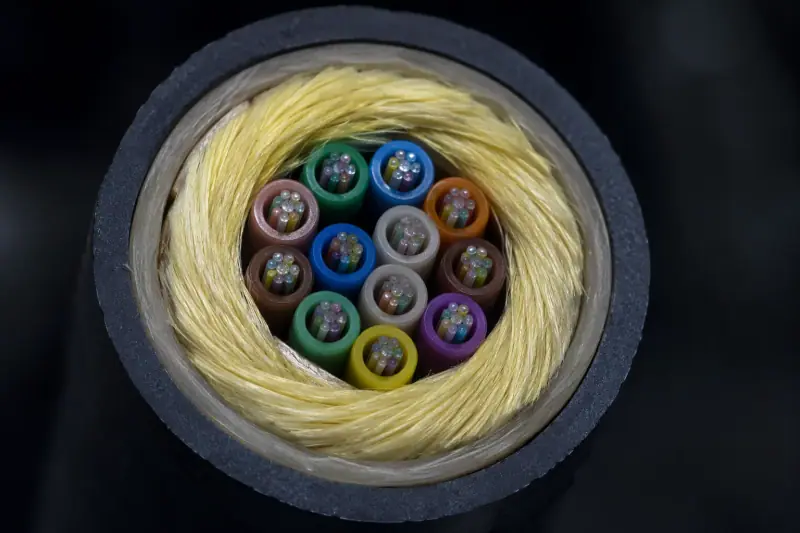 Diagram 02
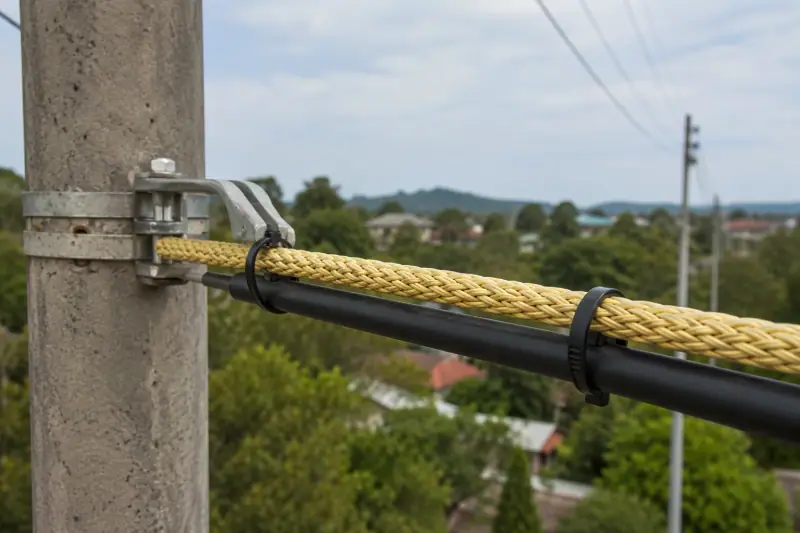 Diagram 03
04 — CATALOGUE GUIDE
A starting point for a technical inquiry, not a ready-made pilot specification.
05 — SELECTION AND PILOT
The more precise the inputs, the fewer unnecessary samples and the faster the comparison with the incumbent material.
Record the answer in the technical specification together with the control material, pilot volume, test method and acceptance criteria.
Record the answer in the technical specification together with the control material, pilot volume, test method and acceptance criteria.
Record the answer in the technical specification together with the control material, pilot volume, test method and acceptance criteria.
Record the answer in the technical specification together with the control material, pilot volume, test method and acceptance criteria.
Next step
Open the inquiry form and specify the product, requirements and approximate pilot volume. Lab-test samples are free.